

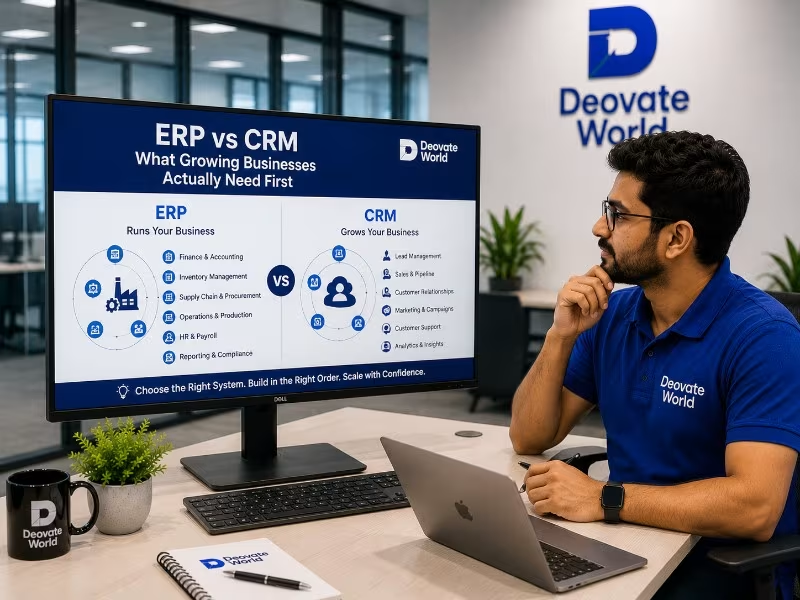

These two systems get confused constantly, sometimes treated as interchangeable, sometimes treated as a package deal a business needs simultaneously, when in reality they solve genuinely different problems and most growing businesses have a clearer need for one before the other. Understanding that difference prevents a common, expensive mistake: investing significant budget and change-management effort into the wrong system first, based on a vague sense that \"we need better software\" rather than a specific understanding of which operational pain the business is actually feeling most acutely.
What Each System Actually Solves
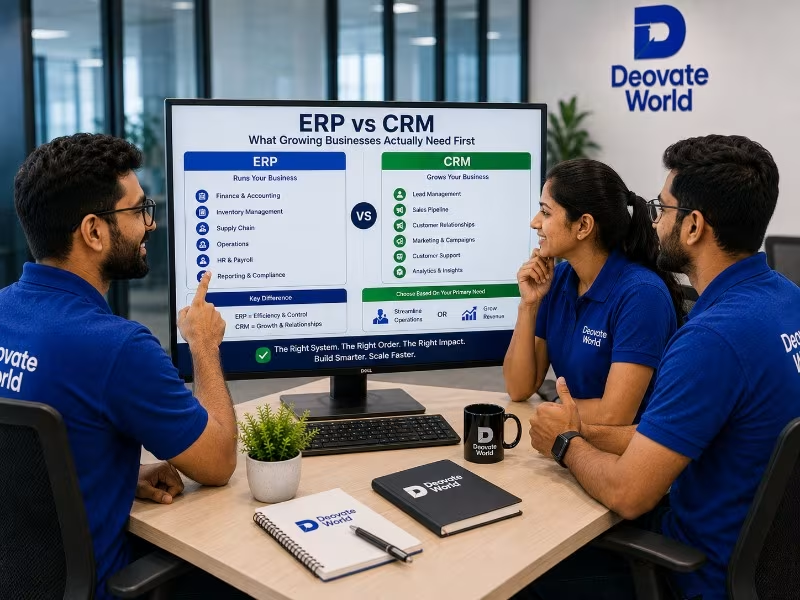
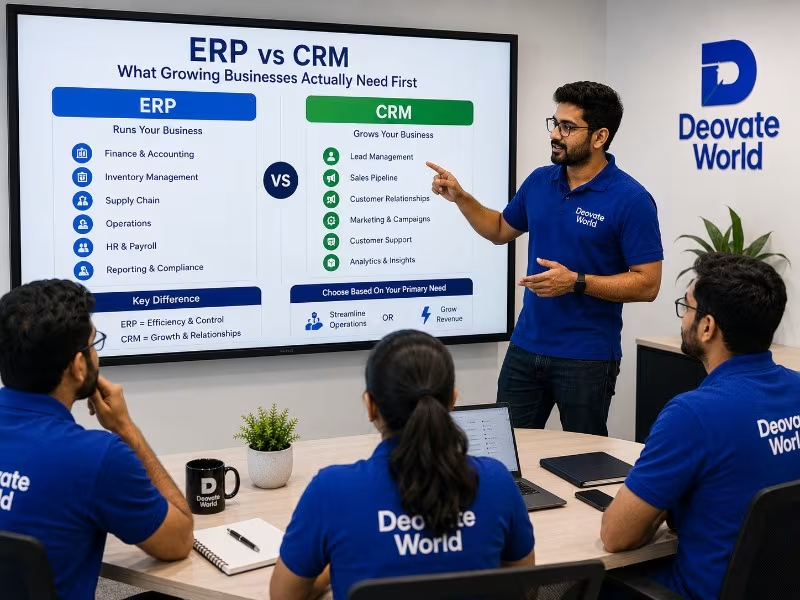
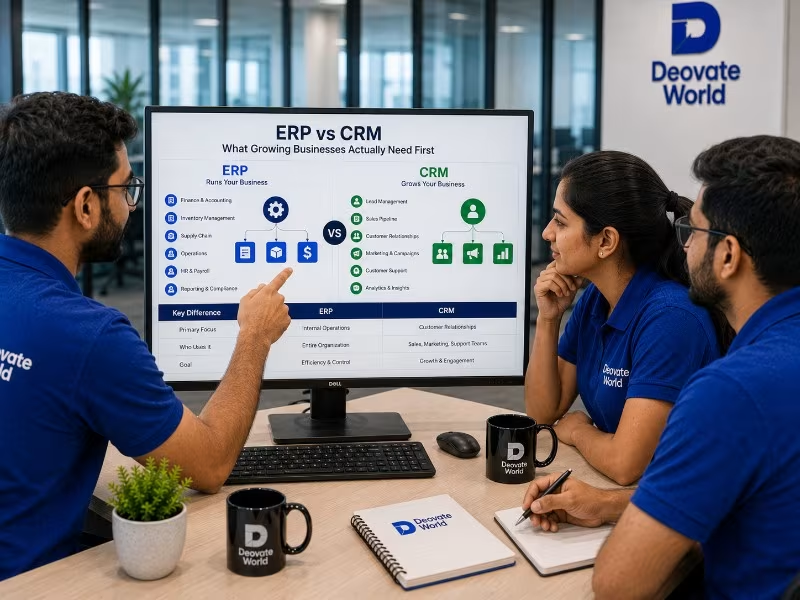
A CRM, customer relationship management system, is built around managing the relationship and communication history with prospects and customers, tracking leads through a sales pipeline, logging interactions, and helping a sales or support team stay organized around people. An ERP, enterprise resource planning system, is built around managing the internal operations of the business itself, inventory, finance, procurement, sometimes manufacturing or logistics, connecting departments that would otherwise operate on disconnected spreadsheets and manual processes.
Signs You Need a CRM First
- Your sales team is tracking leads and deals in spreadsheets or scattered notes, with no shared visibility into pipeline status
- Follow-ups are getting missed or delayed because there is no system prompting timely outreach
- You cannot easily answer basic questions like how many active deals exist or what stage each one is in without manually checking with individual salespeople
Signs You Need an ERP First
- Inventory counts are frequently wrong because they live in a spreadsheet disconnected from actual sales and purchasing activity
- Financial reporting requires manually reconciling data from multiple disconnected systems every month
- Different departments are working from different, sometimes contradictory, versions of the same operational data
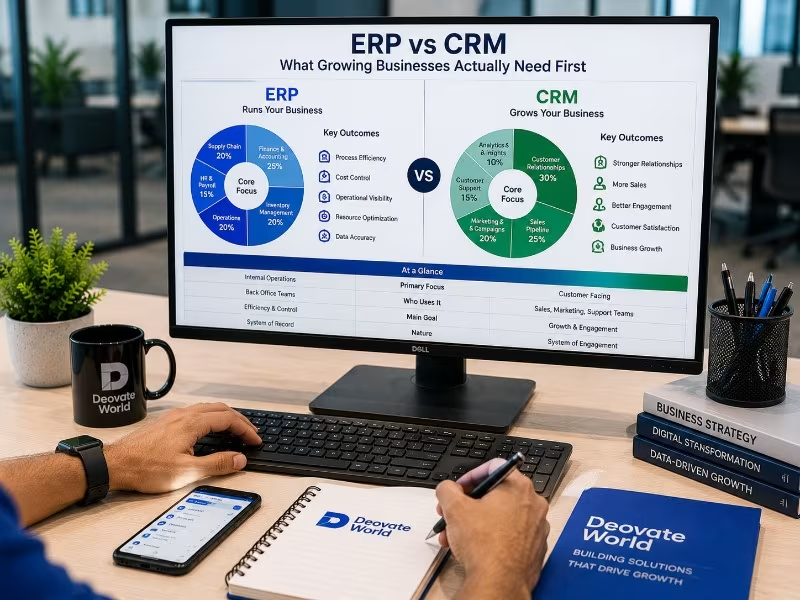
Side-by-Side Comparison
| Aspect | CRM | ERP |
|---|---|---|
| Primary Focus | Customer relationships and sales pipeline | Internal operations and resource management |
| Typical Primary Users | Sales and customer support teams | Finance, operations, and inventory teams |
| Core Problem Solved | Disorganized, inconsistent customer follow-up | Disconnected operational and financial data |
| Common First Sign of Need | Missed follow-ups, unclear pipeline visibility | Inventory discrepancies, manual reconciliation |
Why Businesses Often Choose the Wrong One First
The decision often gets driven by whichever department is loudest about their frustration at the moment, rather than a genuinely objective assessment of where the business is losing the most time or money. A vocal sales team frustrated with a messy pipeline can push a CRM purchase through even when the actual larger operational drag is happening quietly in inventory management, simply because sales frustration is more visible day to day than a finance team\'s monthly reconciliation headache. Taking a step back and mapping where manual, error-prone processes are actually costing the most time across the whole business, not just the loudest department, usually clarifies the real priority.
Can You Actually Need Both at Once?
Yes, and many established businesses eventually run both systems, often connected through an integration so customer and sales data can inform operational planning, and operational data like stock availability can inform what sales teams promise to customers. But implementing both simultaneously from scratch is a significant undertaking, both in cost and in the organizational change management required to get an entire team adopting new systems and workflows at once. Sequencing the implementation, solving the more urgent problem first, validating the new system genuinely works and is adopted well, then adding the second system, is generally a lower-risk path than attempting both simultaneously.
The Integration Question Worth Asking Early
If you already know both systems will eventually be needed, it is worth choosing the first system with an eye toward how well it can integrate with a future second system, rather than choosing purely based on the immediate need in isolation. A CRM and ERP that can share data cleanly, customer order history informing support conversations, inventory data informing sales promises, is significantly more valuable together than the same two systems operating as disconnected silos that happen to sit inside the same business.
Final Thought
The right first system is the one that solves your business\'s most expensive current problem, measured honestly in lost time, lost accuracy, or lost deals, not the one that happens to be trending in business software conversations or the one the loudest internal voice is currently advocating for.




Be the first to comment on this article.