- +91-99141-56467
- info@deovateworld.in


A launched product still needs ongoing attention, software is never really "done." We provide ongoing maintenance and support so small issues get caught early, before they turn into downtime, security incidents, or a customer-facing problem that damages trust.
Software that is never updated becomes a security and stability risk over time, even if nothing appears wrong on the surface. Regular maintenance is what keeps a working product working, catching small issues while they are still cheap and easy to fix.
Uptime monitoring tools, automated backup systems, security scanning tools, and ticketing systems like Jira or Freshdesk for tracking support requests.
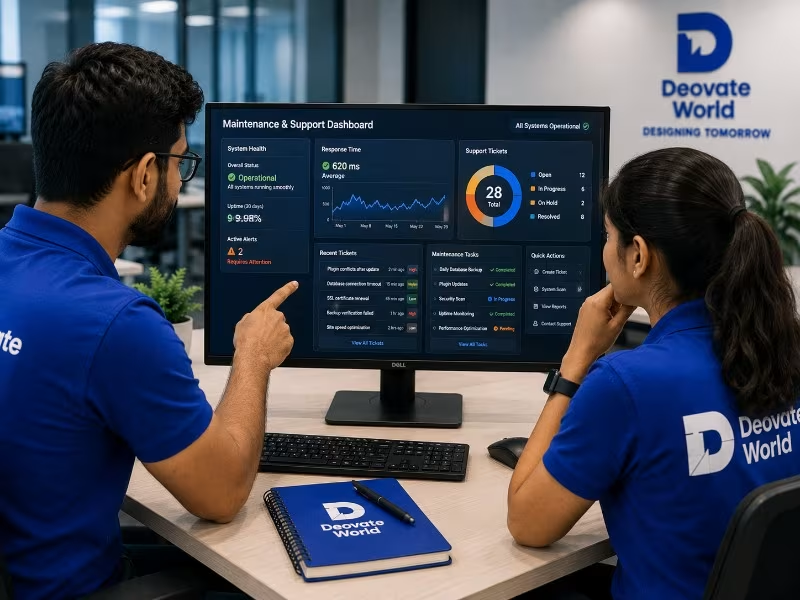
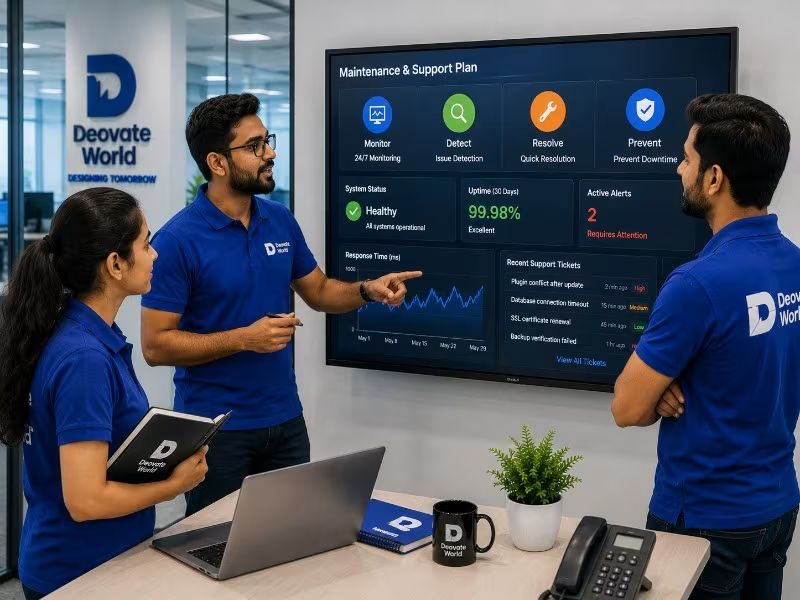
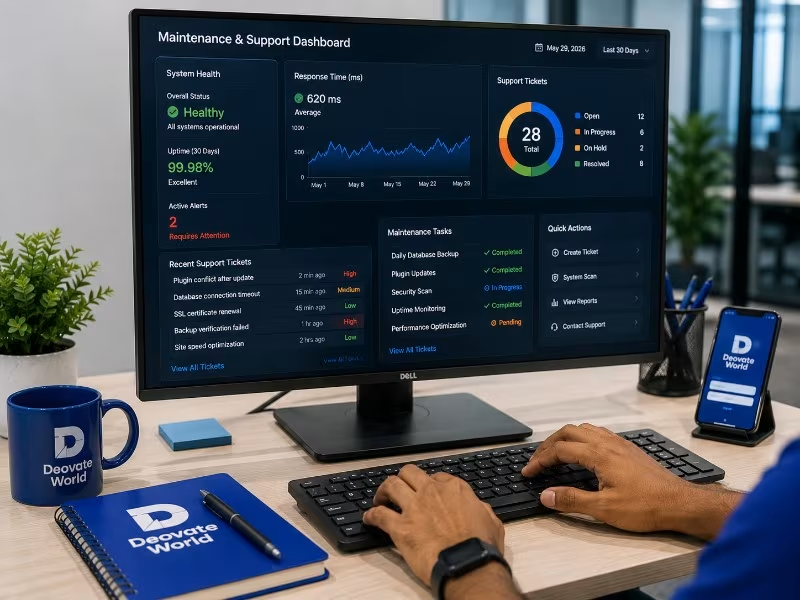
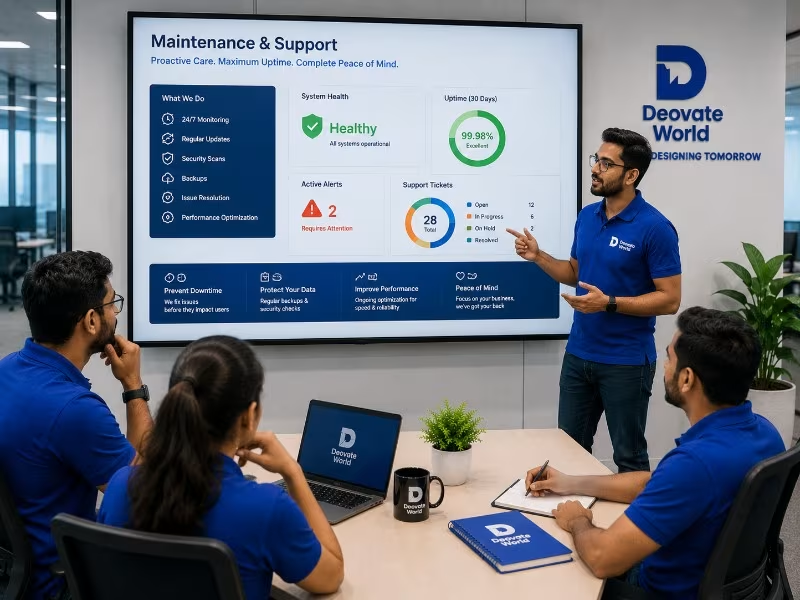

A closer look at everything included with Maintenance & Support — explore each capability in detail.

The real challenges businesses face with Maintenance & Support — and exactly how we solve them.
We're putting the finishing touches on this. Check back shortly.
Every project we take on moves through the same four stages, not because we lack flexibility, but because skipping steps is exactly how good ideas turn into messy builds. Here's what that looks like in practice.
Discover how our technology solutions have helped businesses innovate, grow, and achieve lasting success through trusted partnerships and measurable results.
We used their web development and SEO services together, and having one team handle both meant the site was actually built to rank well from day one instead of retrofitted later.
The branding work they did for us flowed directly into the website design, so everything felt cohesive instead of looking like two separate projects stitched together.
Good range of services and each one delivered solidly. I'd have liked a bit more upfront guidance on which services to prioritize first given our limited initial budget.
We started with just a website build and later added their maintenance plan, and the transition between the two was seamless since it was the same team throughout.
Their custom software service actually delivered something built around how our compliance team actually works, not a generic system we'd have to awkwardly adapt our process around.
The digital marketing service paired well with the eCommerce build, since the same team understood exactly what the site could actually deliver before setting campaign expectations.
You've seen how we think and how we work. Here's where it turns into your project.
You've read about how we think, who leads the work, and what a project with us
actually looks like day to day. The next step is simple: tell us what you're building, and we'll tell
you honestly whether we're the right fit - and if we are, exactly what that plan looks like.
Still have a question after reading about our team and process? Here are the ones people ask most.
Quick answers to common questions
Typically regular backups, software and security updates, uptime monitoring, and a set number of support hours each month for fixes and small changes. What's included specifically varies by plan tier, and we'll walk through exactly what's covered before you commit, rather than leaving you to discover gaps later when you need something that turns out to be outside scope. The goal of a maintenance plan is that small issues get caught and fixed before they become bigger, more expensive problems.
Critical issues are flagged by automated monitoring around the clock regardless of business hours, since a site going down doesn't wait for a convenient time. Response time for actually fixing it depends on which support plan tier you're on - some plans include faster after-hours response for genuinely critical issues, while less urgent problems get addressed during normal business hours. We're upfront about which tier includes what, so there's no surprise about response time when something actually breaks.
Yes, and this is a common misconception worth addressing directly. Even a site that never changes content-wise still depends on underlying software, plugins, and server environments that need ongoing security updates - skipping maintenance because nothing looks different on the surface is one of the most common ways sites end up compromised or broken. The site not changing doesn't mean the software it runs on is standing still; vulnerabilities get discovered in unmaintained software all the time.
Small text edits, minor bug fixes, and routine updates typically fall within standard maintenance hours. Larger requests - new features, significant design changes, adding entirely new functionality - are scoped separately since they involve real development time beyond upkeep. We'll tell you honestly which category a request falls into before doing the work, rather than either quietly absorbing something that should be billed separately or padding a simple fix into a bigger charge.
You can, and we won't lock you into a long, difficult-to-exit contract to keep you on a plan you don't want. That said, we'll be honest about the risk of going without any maintenance on a live business site - things like security patches and backups don't happen automatically once you're off a plan, and that's worth understanding clearly before deciding to cancel rather than discovering it after something breaks.
Both. We apply routine security updates as part of standard maintenance, and we also monitor for unusual activity - failed login attempts, unexpected file changes, malware indicators - that updates alone wouldn't catch. Security isn't just about staying current on patches; it's also about noticing when something suspicious is actually happening in real time, and our monitoring is built to flag that rather than only relying on scheduled updates.
Yes, this is actually a fairly common situation - a previous developer or agency is no longer available, and the site's been running unmaintained for a while. We start with an audit to understand the current state honestly - what's outdated, what's a security risk, what's actually fine - before proposing a maintenance plan, rather than assuming everything needs immediate rebuilding. Some sites need real remediation work upfront before settling into routine maintenance; we'll tell you if that's the case.
Backup frequency depends on how often your content or data actually changes - typically daily for active business sites - and backups are stored separately from the live server, so a server-level issue can't take out both your site and its backup at the same time. We test that backups are actually restorable periodically too, since a backup that silently fails to restore properly is effectively no backup at all, and we'd rather catch that in a test than during an actual emergency.
Response time depends on the support plan tier and the severity of the issue - a fully down site gets prioritized differently than a minor cosmetic bug. We'll be specific about expected response times for your plan when you sign up, rather than a vague promise of 'fast response' that doesn't mean anything concrete. If actual response times are consistently missing what was promised, that's something you should be able to hold us accountable to directly.
We start with a quick audit of your current site or system - what platform it's on, how it's currently maintained if at all, and any existing issues - so we can recommend a plan tier that actually fits your situation rather than a generic default. If your site needs some cleanup work before settling into routine maintenance, we'll flag that upfront so it's not a surprise cost later.
We'd love to hear about your project