- +91-99141-56467
- info@deovateworld.in

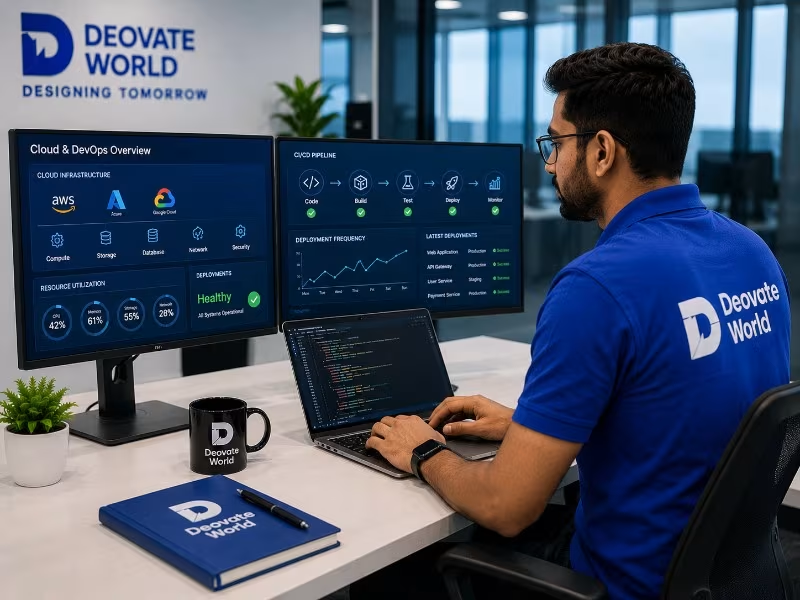
Downtime during a busy moment is one of the most expensive things that can happen to a growing product, both in lost revenue and lost trust. We build cloud infrastructure and deployment pipelines designed for reliability first, so scaling up does not mean things quietly start breaking under real load.
As a product grows, the informal setup that worked fine with a handful of users starts to show cracks, slow deploys, unclear rollback plans, servers sized by guesswork instead of data. Proper cloud and DevOps practices remove that uncertainty before it turns into an outage at the worst possible time.
AWS, Azure, Docker, Kubernetes, Jenkins, GitHub Actions, Terraform, and monitoring tools like Grafana and CloudWatch.
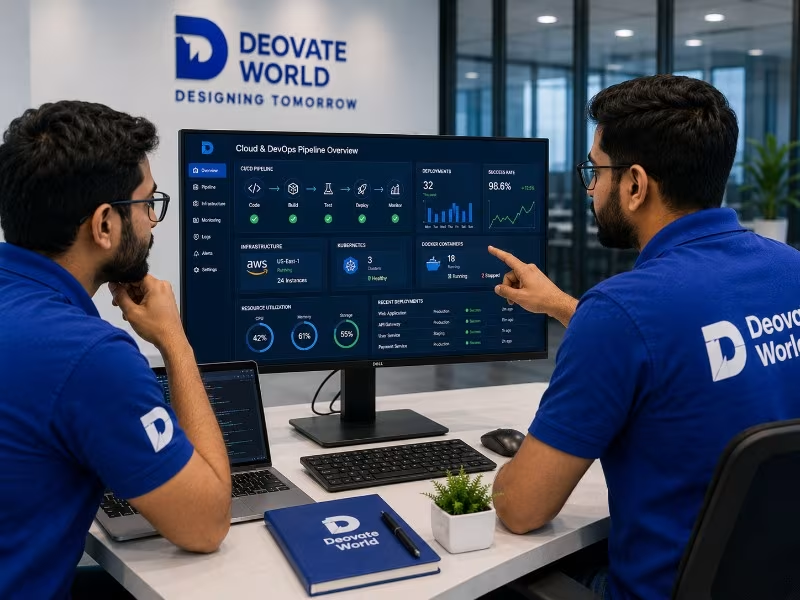
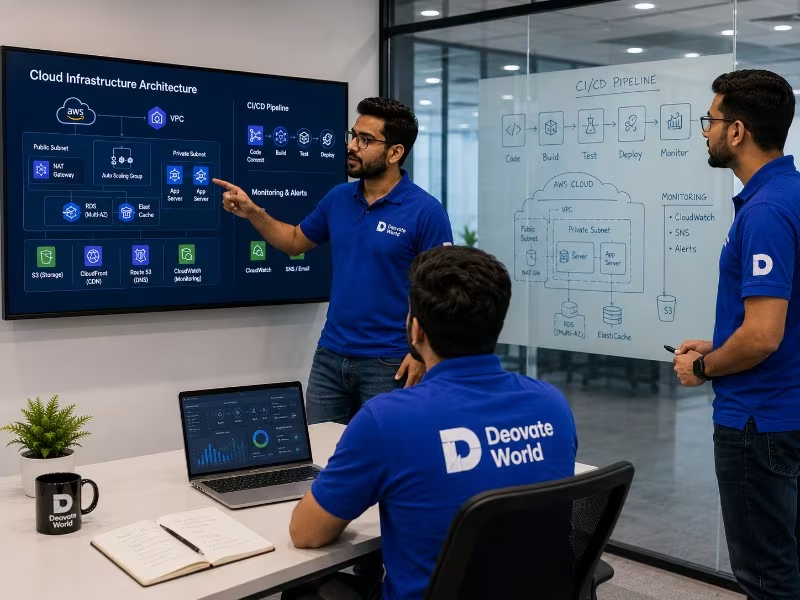
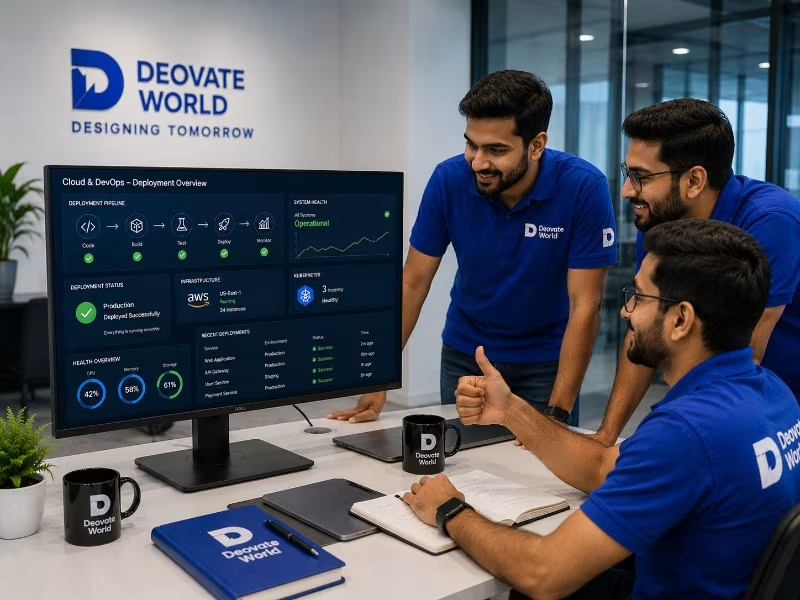
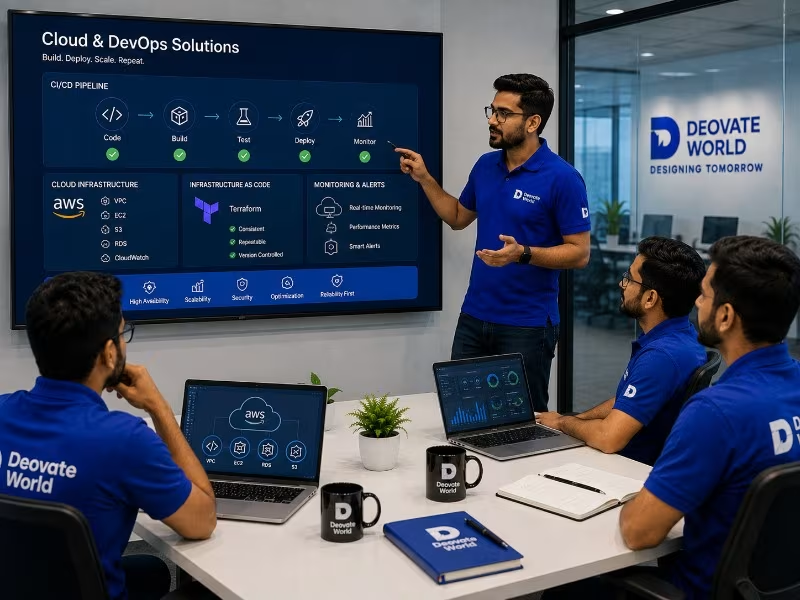
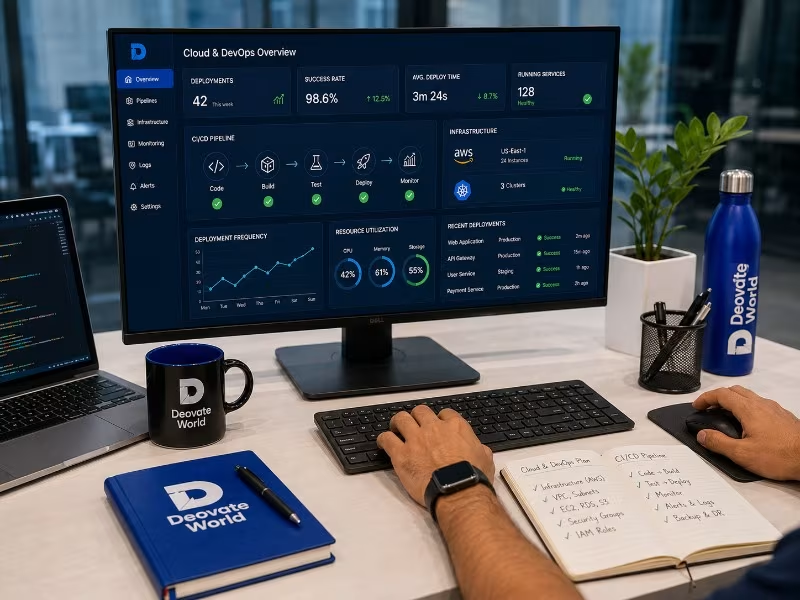
A closer look at everything included with Cloud & DevOps Solutions — explore each capability in detail.
The real challenges businesses face with Cloud & DevOps Solutions — and exactly how we solve them.
We're putting the finishing touches on this. Check back shortly.
Every project we take on moves through the same four stages, not because we lack flexibility, but because skipping steps is exactly how good ideas turn into messy builds. Here's what that looks like in practice.
Discover how our technology solutions have helped businesses innovate, grow, and achieve lasting success through trusted partnerships and measurable results.
We used their web development and SEO services together, and having one team handle both meant the site was actually built to rank well from day one instead of retrofitted later.
The branding work they did for us flowed directly into the website design, so everything felt cohesive instead of looking like two separate projects stitched together.
Good range of services and each one delivered solidly. I'd have liked a bit more upfront guidance on which services to prioritize first given our limited initial budget.
We started with just a website build and later added their maintenance plan, and the transition between the two was seamless since it was the same team throughout.
Their custom software service actually delivered something built around how our compliance team actually works, not a generic system we'd have to awkwardly adapt our process around.
The digital marketing service paired well with the eCommerce build, since the same team understood exactly what the site could actually deliver before setting campaign expectations.
You've seen how we think and how we work. Here's where it turns into your project.
You've read about how we think, who leads the work, and what a project with us
actually looks like day to day. The next step is simple: tell us what you're building, and we'll tell
you honestly whether we're the right fit - and if we are, exactly what that plan looks like.
Still have a question after reading about our team and process? Here are the ones people ask most.
Quick answers to common questions
We plan every migration specifically to minimize downtime, often reducing it to a small, clearly communicated maintenance window rather than an open-ended outage. That includes a tested rollback plan in case something unexpected comes up during the cutover, so we're not discovering problems live in front of your users. For businesses where any downtime is genuinely costly, we can plan a phased migration approach that keeps the old system running as a fallback until the new environment is fully verified.
It depends on your existing tools, your team's familiarity with a given platform, and the specific workload requirements - there isn't a universally 'best' provider, despite what any single vendor's marketing suggests. If your business already uses tools that integrate tightly with one ecosystem, that often tips the decision. We'll walk through the actual trade-offs relevant to your situation - cost structure, specific services needed, existing team knowledge - rather than defaulting to whichever provider we personally prefer working with.
Yes, we offer ongoing monitoring and support plans so issues - unusual load, failed processes, security anomalies - are caught and addressed before they turn into actual downtime or an incident your customers notice. Infrastructure that's set up correctly once but never monitored afterward tends to drift into problems over time as usage patterns change and things go unpatched. If you'd rather handle monitoring in-house, we'll make sure your team has proper visibility and alerting configured before we step back.
Very easy to overspend, actually - cloud billing can balloon quickly from unused resources, oversized instances, or data transfer costs that weren't accounted for upfront. We review actual usage patterns and right-size infrastructure rather than provisioning generously and hoping it's efficient, and we set up cost alerts so unexpected spikes get caught early rather than showing up as a shock on a monthly bill. If your current cloud spend already feels high, that's usually a solvable audit, not something you need to just accept as a cost of doing business.
We set up monitoring and alerting specifically designed to catch unusual activity - failed login patterns, unexpected access attempts, abnormal traffic - so a potential incident gets flagged quickly rather than discovered days later. If something does happen, having a documented incident response plan in place beforehand matters enormously, and we help establish that as part of the setup rather than improvising a response after the fact. We're honest that no infrastructure is unbreachable; the goal is fast detection and a clear response, not a false promise of total immunity.
Yes, this is one of the more common requests we get from teams tired of manual, error-prone deployments. We set up automated build, test, and deployment pipelines tailored to your existing workflow, so code changes go through consistent checks before reaching production rather than relying on someone remembering every manual step. This usually also reduces deployment-related incidents significantly, since a repeatable automated process removes a lot of the human error that manual deploys introduce.
Depends entirely on your scale and complexity - containers and orchestration genuinely solve real problems for applications with multiple services or unpredictable scaling needs, but they add real operational complexity that isn't worth it for a simpler application that doesn't need it. We'll assess your actual traffic patterns and architecture before recommending container orchestration, rather than defaulting to it because it's currently a popular approach. Sometimes a simpler, well-configured server setup genuinely is the better fit.
Yes, and honestly this is a fairly common starting point - businesses inheriting infrastructure that was set up quickly, undocumented, or left unmaintained after whoever built it moved on. We start by auditing what's actually running, documenting it properly, and identifying immediate risks before making changes, rather than tearing everything down and starting over unnecessarily. Some of what's there might be salvageable; some might need replacing, and we'll be specific about which is which rather than treating the whole thing as unsalvageable by default.
We set up automated, regular backups stored separately from the primary environment, so a single point of failure can't take out both your live system and your backup at the same time. Disaster recovery planning goes beyond just backups though - it includes how quickly you could actually restore service if something went seriously wrong, which we test rather than just assume works. If recovery time matters a lot for your business, we'll design around that specifically rather than a generic backup schedule that doesn't account for how fast you'd need to be back online.
An honest assessment of what you currently have running - infrastructure, deployment process, monitoring, if any - so we can identify actual gaps rather than guessing at what might be wrong. From there we'll recommend specific priorities, whether that's a full migration, setting up CI/CD, improving monitoring, or just optimizing costs on what's already there. There's no obligation to commit to a large engagement upfront; sometimes the right first step really is a smaller, targeted fix.
We'd love to hear about your project